



macOS, previously known as OS X and Mac OS, is an operating system that is primarily used on Mac computers. While it has received the vast majority of The Sims games that Microsoft Windows have received, there are some significant differences that this page covers.
macOS does not prioritize backwards compatibility the same way Windows does, so while a computer running Windows 11 can run the Windows version of The Sims with only minor changes, the same is generally not true about running the Mac version of The Sims on the latest version of macOS. Virtual machine or emulation software can be used to run older versions of The Sims series games on modern Macs.
CPU architecture timeline
Reference timetable for the macOS CPU architectures mentioned in the games' sections and the years they stopped receiving support in OS versions:
| Arch. | Years | Natively supported Sims games |
|---|---|---|
| PowerPC[note 1] | -2009 | The Sims, The Sims 2, The Sims Stories |
| x86[note 2] | 2005-2011 (Hardware) 2005-2021 (Software) |
The Sims 2, The Sims Stories, The Sims 3, The Sims Medieval |
| AMD64[note 3] | 2005- | The Sims 2: Super Collection, The Sims 3/Patch 70, The Sims 4 |
| Apple silicon[note 4] | 2020- | The Sims 4/Patch 144 |
The Sims
The base game and all expansion packs were officially released for Mac. The game covers do not list system requirements, but they are presumed to rely on Mac OS System 8.x or 9.x. This means the original releases of those games could have problems on any version of Mac OS X 10.0 onwards (which had a major OS codebase overhaul), even with the Classic Environment compatibility layer (which itself was discontinued from Mac OS X 10.5 onwards).
The 2008 The Sims Complete Collection was designed specifically for Mac OS X 10.3.5 onwards, but can only run on PowerPC processors (Mac OS X ≤10.5.8 Leopard, iMac G5 and earlier), despite Apple having replaced PowerPC with Intel in their Macs from 2006 onwards.
The Sims 2
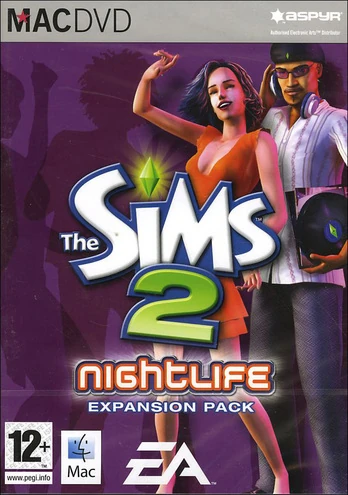
The base game and most expansion packs were officially released for Mac, though often at a significant delay (the base game was released nine months after the Windows version). The following expansion and stuff packs were never released for Mac:
- FreeTime
- Apartment Life
- Celebration! Stuff
- H&M Fashion Stuff
- Teen Style Stuff
- Kitchen & Bath Interior Design Stuff
- IKEA Home Stuff
- Mansion & Garden Stuff
At launch, the base game and The Sims 2: University was designed for Mac OS X 10.3.4 and higher, and only supported PowerPC CPUs. It was also DVD-only by default, in contrast to the Windows version having separate CD and DVD versions. A patch to enable Intel 32-bit support was released for the base game (Rev D) in April 2006,[1] followed by patches for University and Nightlife in June 2006.[2] Later expansion packs, and re-releases of earlier content, support both Intel 32-bit and PowerPC out of the box. Being Intel 32-bit, the original disc copies will not run on macOS 10.15 Catalina onwards.
On August 14, 2014, Aspyr released The Sims 2: Super Collection which included all of the expansion and stuff packs ported to Mac, and was sold through the Mac App Store. The Super Collection was ported to Intel 64-bit in January 2020, allowing it to run on macOS 10.15 Catalina onwards. It is the only 64-bit port of The Sims 2 to date.
macOS has upper limits for how many files a program can have loaded at any particular time, and The Sims 2 is known to try to load every single file in its game directories (installation files, info on Sims/lots, game mods, etc.). If an ongoing session hits that limit, the game cannot load any additional files but does not crash or quit, potentially resulting in game corruption in the form of missing Sims/lots/icons and some other aspects. macOS 10.13 High Sierra onwards raised the limit enough to make the glitch unlikely to occur, and very unlikely to occur from macOS 10.14 Mojave onwards.
The Sims Stories
The Mac versions of all three games in The Sims Stories series are known to support both PowerPC and Intel 32-bit. No Intel 64-bit or Apple silicon patches are known to exist.
MySims
MySims was not originally released for Mac. However, on November 6, 2025, the remastered version MySims: Cozy Bundle was released for Apple devices, including Mac, via Apple Arcade.
The Sims 3
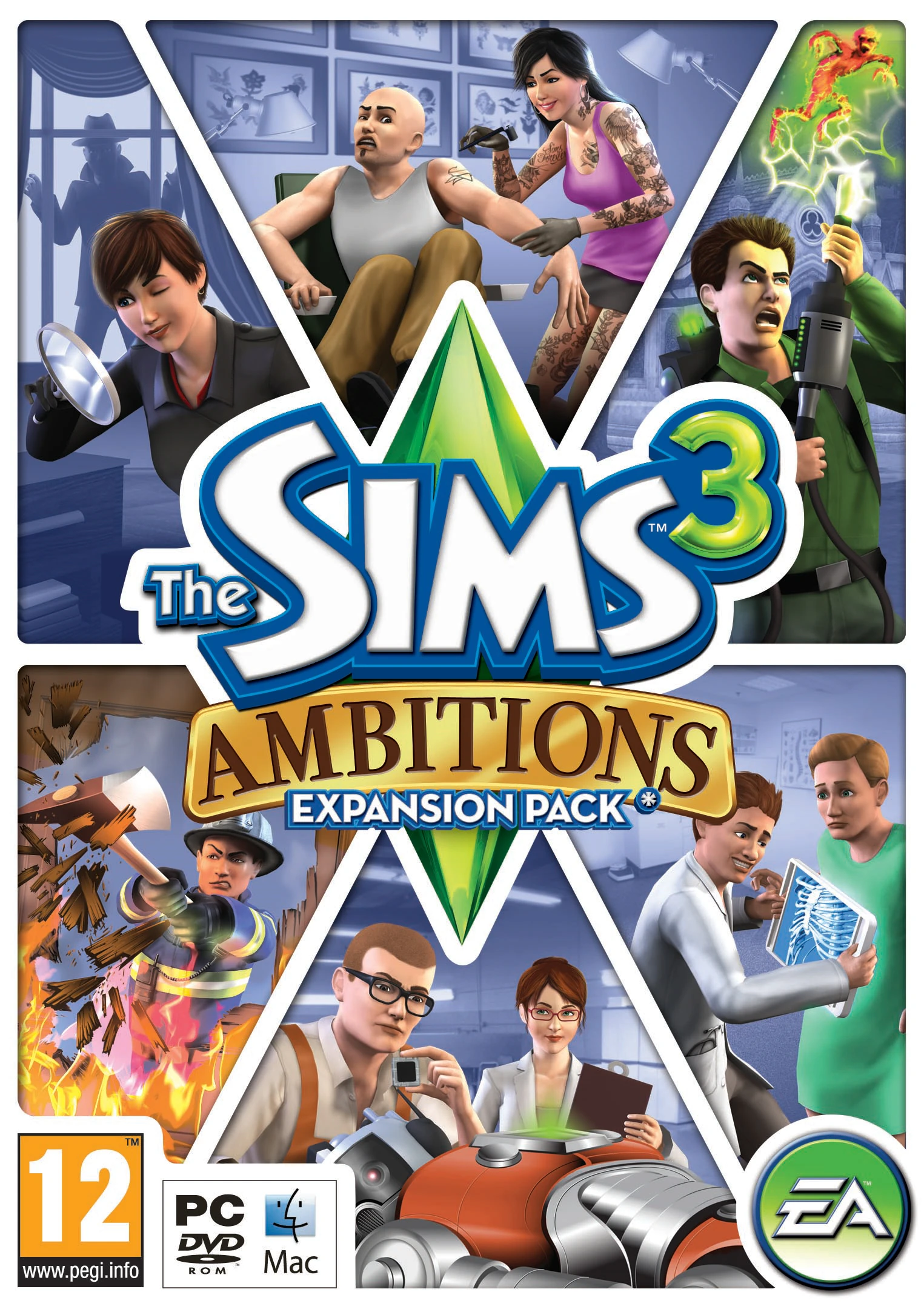
The base game, all expansion packs, and all Store content, were officially released for Mac simultaneously along with the Windows version. The releases were designed for Intel 32-bit.
Patch 1.70 was released in October 2020, which upgraded the game from Intel 32-bit to Intel 64-bit, allowing it to run on macOS 10.15 Catalina onwards (with backwards compatibility to OS X 10.11 El Capitan). The patch did however come with severe glitches that affected (including, but not limited to) ocean/lake interactions, insect catching, and gendered doors.
The Sims Medieval
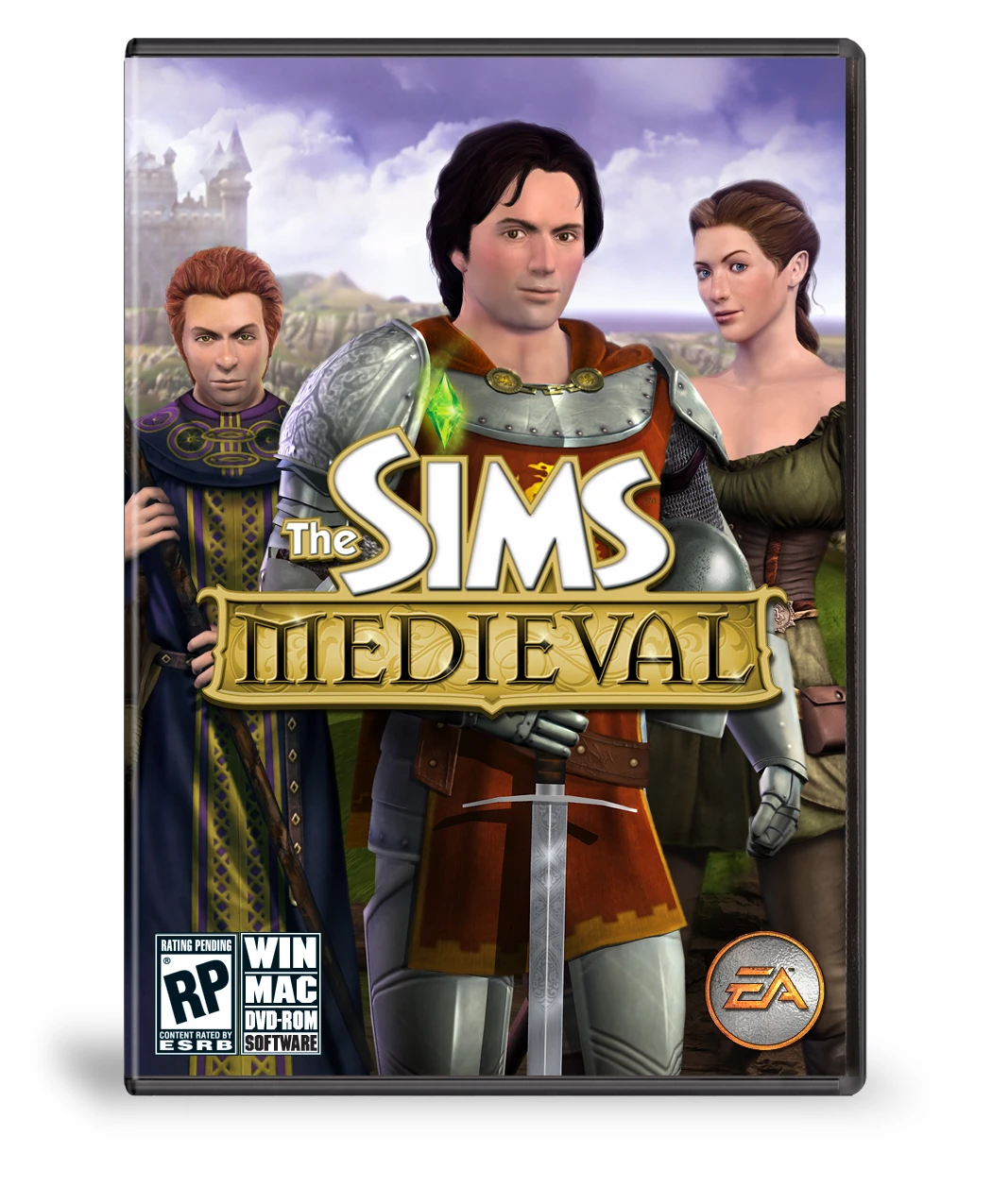
The base game and The Sims Medieval: Pirates & Nobles were officially released for Mac. It was originally designed for Intel 32-bit and never received 64-bit or Apple silicon patches, making the game unplayable on macOS 10.15 Catalina and later.
The Sims 4
The base game and all expansion packs were officially released for Mac. The base game was released after a 5-month delay, but expansion packs have generally not been significantly delayed.
The game was originally designed for Intel 64-bit, with Apple silicon support added in Patch 144. A Legacy Edition was nevertheless made available for players on OS X 10.9 Mavericks and OS X 10.10 Yosemite which Apple had not made the Metal API available to, but was also 64-bit in contrast to Windows' Legacy Edition that was 32-bit; the non-Metal version was discontinued sometime around Patch 144.[3]
Other
Starting with macOS 11 (Big Sur), a native emulator for iOS App Store apps was included for ARM macOS devices, but App Store publishers must opt in to make their apps eligible for the emulator. As of September 27, 2025, Electronic Arts had not set The Sims Mobile or The Sims FreePlay to be eligible for it.
Notes
- ↑ Also known as PPC.
- ↑ Often also referred to as "Intel 32-bit", "IA-32", or "IA32".
- ↑ Often also referred to as x64 or x86-64, or incorrectly as "Intel 64-bit" which actually refers to Itanium.
- ↑ Often also referred to as "Apple Silicon" in title case, ARM64, ARM, or Aarch64, as M1 which was the 1st gen of Apple silicon chips, or rarely as M2 which was the 2nd gen.
References
- ↑ The Sims 2: Fixing Sound, Universal Binary, MacBook Pro - Rubenerd
- ↑ The Sims 2 expansion packs go Universal - Macworld
- ↑ The Sims 4 Mac Legacy Edition thread - EA Forums. November 13, 2019. Retrieved June 21, 2025.